Partnership Opportunities

Thank you! Your submission has been received!
Oops! Something went wrong while submitting the form.


For owners and operators of offices, hotels, shopping centers, schools, and mixed-use facilities, air is part of the invisible infrastructure that shapes business outcomes. Radon and other pollutants affect health, absenteeism, and liability, so indoor environmental quality monitoring is becoming a standard expectation. When a commercial indoor air quality monitor with radon capability, an occupant health indoor air quality monitor for high-risk zones, and an indoor air quality monitor for schools and offices feed data into an indoor air quality risk assessment monitor, air quality moves from assumptions to measurable performance.
In commercial properties, radon typically enters through cracks in foundations, service shafts, or technical rooms that are rarely visited but constantly connected to occupied spaces. A radon gas detector for office areas on lower floors is often the first step toward understanding the scale of the problem. Once baseline readings are available, an indoor radon level monitor in representative zones shows how concentration changes across seasons and usage patterns.
For ongoing control, a long term radon monitor tied into a radon monitoring system for commercial buildings provides trend data instead of isolated snapshots. In high-occupancy or high-liability environments, a radon safety monitor for workplace areas becomes part of the same safety infrastructure as fire and access systems. Modern deployments often combine an electronic radon monitor with a low maintenance radon detector in less accessible zones to avoid reliance on manual spot checks.
Continuous measurement also supports mitigation. A smart building radon monitoring strategy can use a smart radon detector with app or a wifi radon monitor to visualize changes after sealing works or ventilation upgrades. A radon mitigation monitoring sensor confirms that remediation remains effective, while a radon compliance monitoring system provides the documented evidence regulators and insurers expect when selecting the best radon detector for commercial use.
Radon is only one part of the air quality picture. Elevated CO₂, chemical pollutants, and moisture generate complaints about “stuffy air” long before limit values are exceeded. A co2 and radon detector or radon and co2 monitor for buildings helps operators see when ventilation no longer matches occupancy, providing a straightforward signal that fresh air delivery should be adjusted.
Sources of chemicals range from furniture and finishes to cleaning products and nearby traffic. A home VOC monitor may be adequate for small spaces, but commercial sites usually benefit from a radon and voc air quality monitor or similar indoor air quality device that tracks VOCs together with other parameters. Moisture adds another layer of risk: a radon and humidity monitor highlights areas where infiltration and dampness coincide, while a radon and mold air quality test kit supports investigations when visual signs of growth or persistent odors appear.
Regulators, investors, and tenants increasingly ask not just whether a building is safe today, but how safety is managed over time. A radon compliance monitoring system with an integrated radon and air quality solution allows owners to present traceable, time-stamped data instead of static reports. For many portfolios, indoor environmental quality monitoring now sits alongside energy and water metrics in ESG policies.
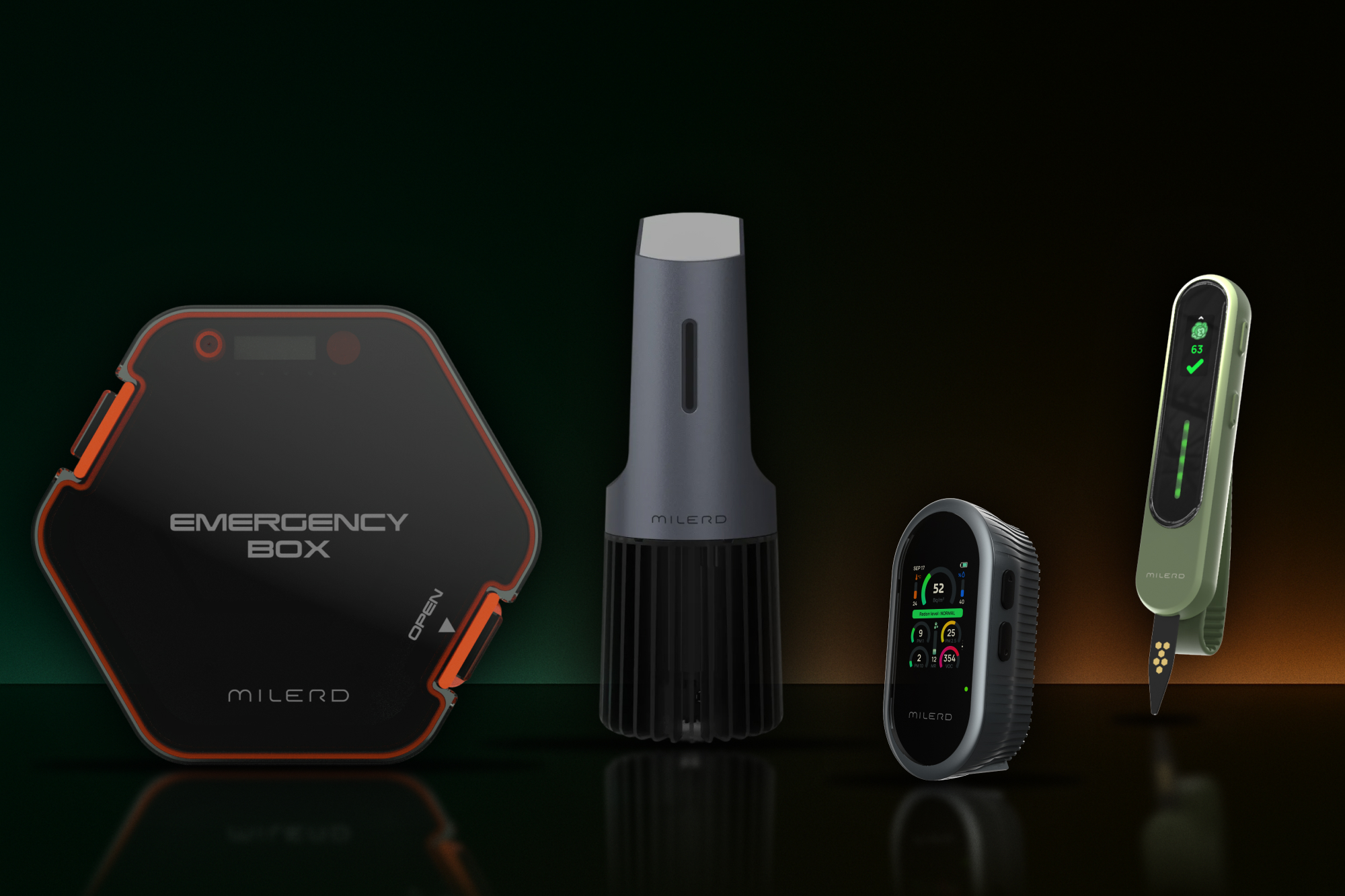
Most programs begin with individual sensors. A co2 voc pm2.5 air quality monitor in a meeting room, an indoor air quality analyzer for technical audits, or an office air quality monitoring device in open-plan areas all provide useful insights. As requirements mature, organizations consolidate measurements into a multi gas indoor air quality monitor that covers particles, gases, and comfort parameters in a single enclosure.
Technical teams need data not just in rooms but also in the air-handling chain. An indoor air quality sensor for hvac and an hvac integrated air quality monitor in supply or return ducts show how air is conditioned and distributed, while industrial sites rely on an industrial indoor air quality monitor in plant rooms and logistics areas. Deployed at scale, these instruments become a network of commercial building air quality sensors that feeds a central view of each site.
The real benefit of monitoring appears when individual devices are connected. Wireless indoor air quality sensors deployed throughout a building can be combined into an iot indoor air quality monitoring system that delivers data to a central platform. When these endpoints act as building management system air quality sensors, operators can link conditions directly to ventilation, filtration, and alarm logic.
A bms compatible radon sensor can trigger targeted responses when thresholds are approached, while a real time indoor air quality dashboard presents conditions in a way that is understandable for technical staff and stakeholders. For distributed portfolios, a remote indoor air quality monitoring solution and cloud based air quality monitoring system provide consistent oversight across all sites.
Under the hood, this depends on dependable logging. Each node effectively operates as a continuous indoor air quality logging device reporting to a platform that functions as an indoor air quality data logger for compliance and long-term optimization.
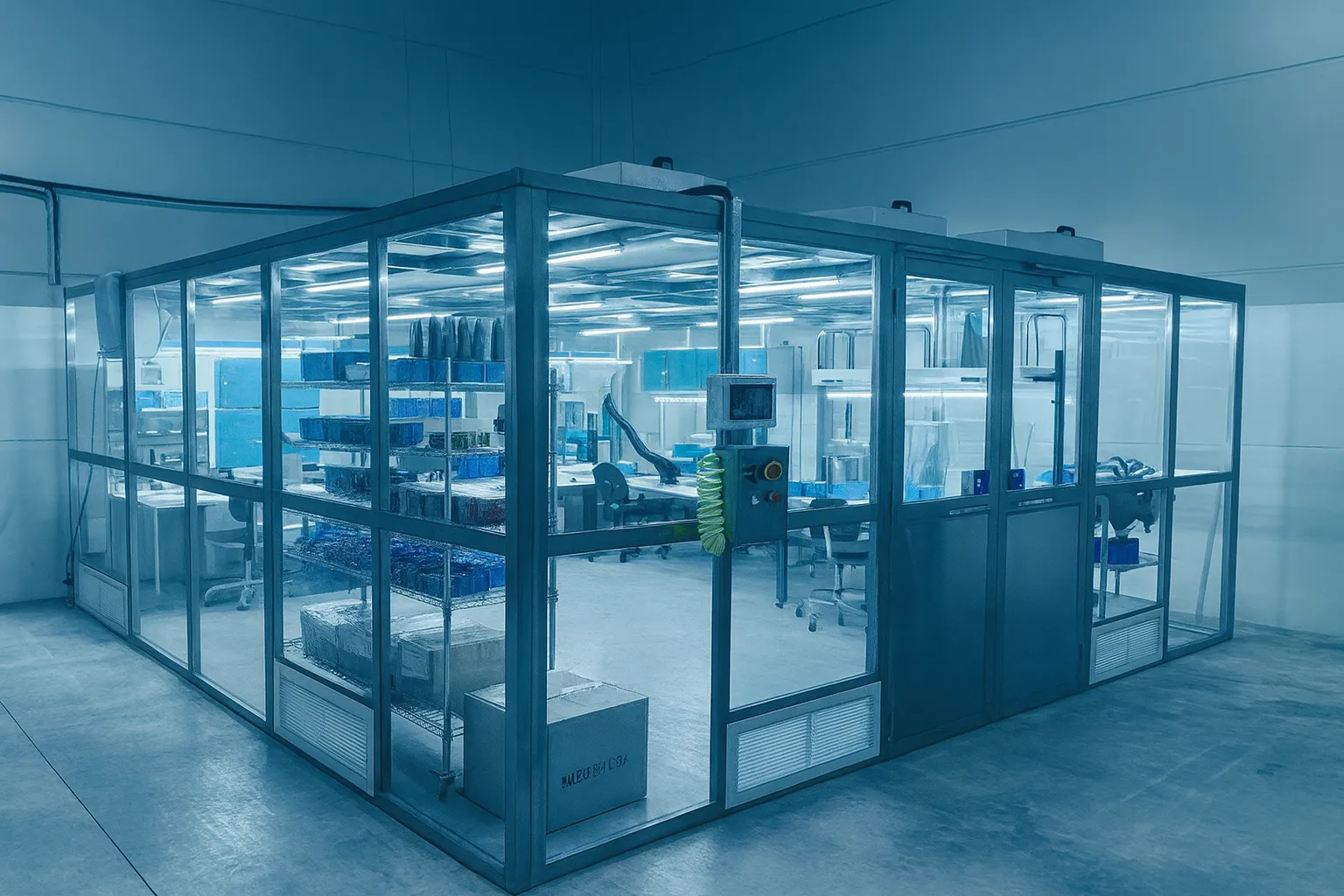
Many organizations find that off-the-shelf devices only partially match their technical and integration requirements. Milerd R&D focuses on full-cycle development of monitoring solutions: from early research and sensor evaluation through electronics and firmware design, industrial design, and cloud integration to scalable production in the UAE. This approach allows clients to specify how their integrated radon and air quality solution should perform and how it will connect to existing systems.
The process is structured into clear phases, described in the Milerd R&D stages. Depending on the project, the final portfolio may include compact devices for desks and meeting rooms, reference-grade analyzers for commissioning, or robust field units for industrial zones, as illustrated in the Milerd cases.
Radon and indoor air quality monitoring in commercial buildings has moved from occasional testing to continuous, portfolio-wide oversight. By combining accurate sensing, robust hardware, and connected infrastructure, organizations can deploy a commercial indoor air quality monitor network that protects people, supports compliance, and informs better decisions. When backed by a partner able to deliver full-cycle development and production, monitoring evolves from a cost item into a strategic asset that strengthens both building performance and brand trust.