Partnership Opportunities

Thank you! Your submission has been received!
Oops! Something went wrong while submitting the form.

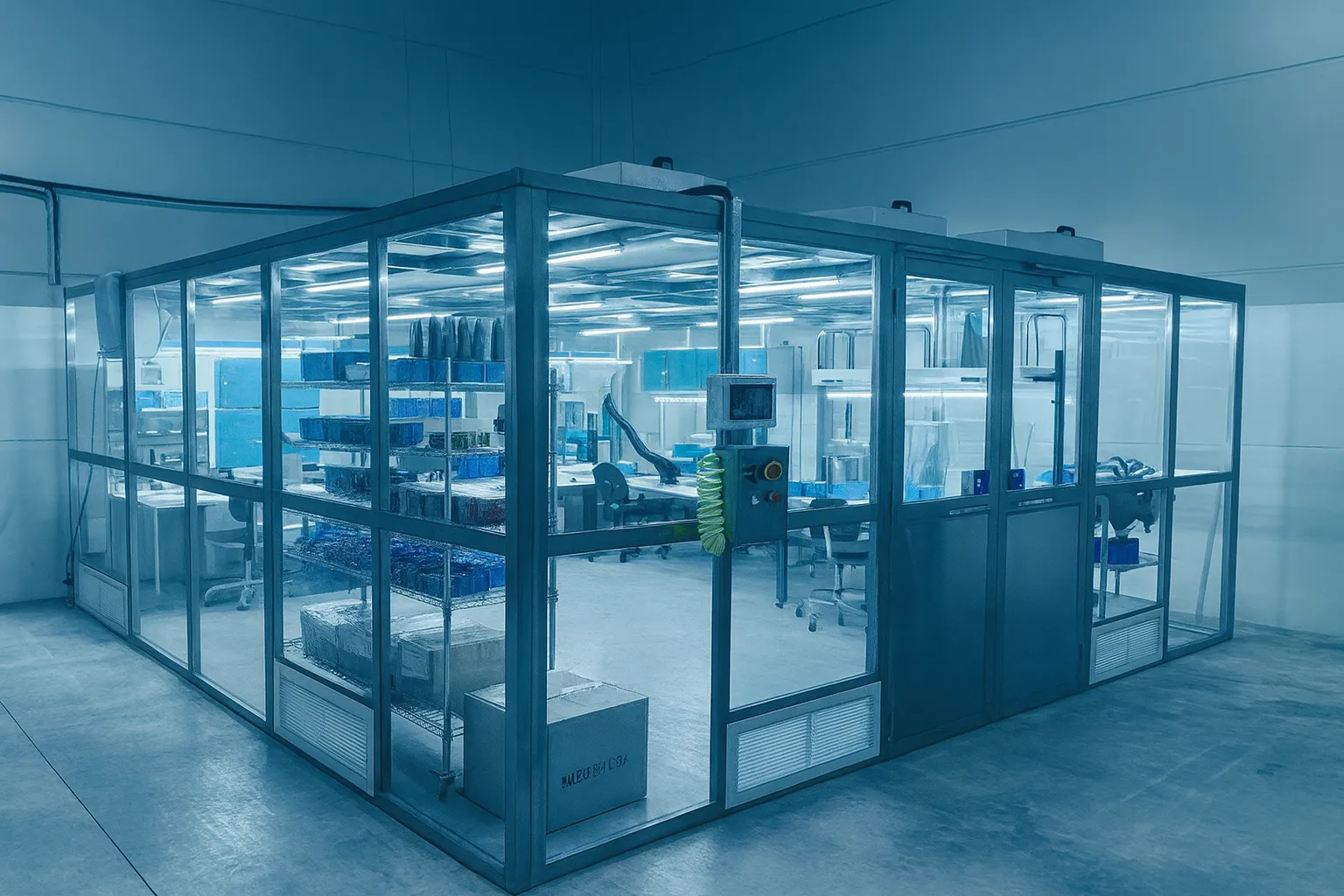
Robotic automation has become the backbone of advanced manufacturing, from welding lines to automated warehouses. Modern industrial robotics systems combine high-power drives, switching electronics, wireless networks and dense sensor grids, creating electromagnetic environments that traditional safety programs were never designed to manage. EMF and radiation safety is now a design parameter for industrial robot technology, not a narrow HSE topic.
Today, industrial robots are no longer isolated in cages. Collaborative systems and mobile platforms work only a few meters from operators and maintenance crews. Every robot used in manufacturing brings not only productivity gains but also additional sources of electromagnetic fields that must be understood, measured and controlled if companies want automation to scale safely across multiple plants.
Most fields in robotic shops come from non-ionizing radiation in industrial environments. High-current busbars, variable-frequency drives, welding power sources and large servo motors generate strong electric and magnetic fields whenever a line runs at full throughput. Close to cabinets and power trunks, magnetic field exposure near industrial robots can spike during acceleration, braking or heavy cutting cycles.
Smart factories add a wireless layer on top. Access points, RFID gates and private cellular networks create wireless communication EMF in smart factories. As plants adopt industrial cellular networks, 5G EMF exposure in industrial IoT becomes relevant for both human exposure and potential interference with sensors or control systems. In high-bay storage and fulfillment centers, radiofrequency exposure in automated warehouses can be significant where scanners, access points and vehicles share the same volume. Fleets of warehouse autonomous robots and AGVs constantly move through aisles, so EMF monitoring for autonomous mobile robots is essential for a realistic picture of exposure over time.
Not all risks are limited to non-ionizing fields. Automated inspection lines can incorporate X-ray or gamma-based systems for inline quality control and material identification. Here, EMF and radiation risk management in industry must cover both shielding design and day-to-day operation: interlocks, access control, maintenance routines and documentation. High-precision reference instruments like the air analyzer for industrial R&D labs help validate shielding concepts and calibrate factory-level sensors. Distributed monitoring becomes more effective than sporadic manual measurements.
For many plants, EMF remains abstract until someone maps it line by line. A structured EMF risk assessment for factory workers turns that abstraction into a clear picture: where fields are highest, who is exposed and under which operating modes. It also shows how EMF interacts with task duration, shift patterns and the presence of workers with medical implants.
A robust EMF program starts with data. Spot checks and area mapping capture EMF measurement in production facilities under realistic operating conditions. For new lines, EMF radiation testing for robotic systems can be included in commissioning so that baseline levels are documented before full-scale operation. Over time, many sites move from occasional checks to continuous monitoring. In dense automation environments, a network of EMF monitoring devices for industrial sites provides real-time insight into how exposure changes with product mix, shift patterns or maintenance work. Combined with industrial EMF dosimetry and surveys, this enables evidence-based decisions on layout changes, shielding projects and process optimizations.
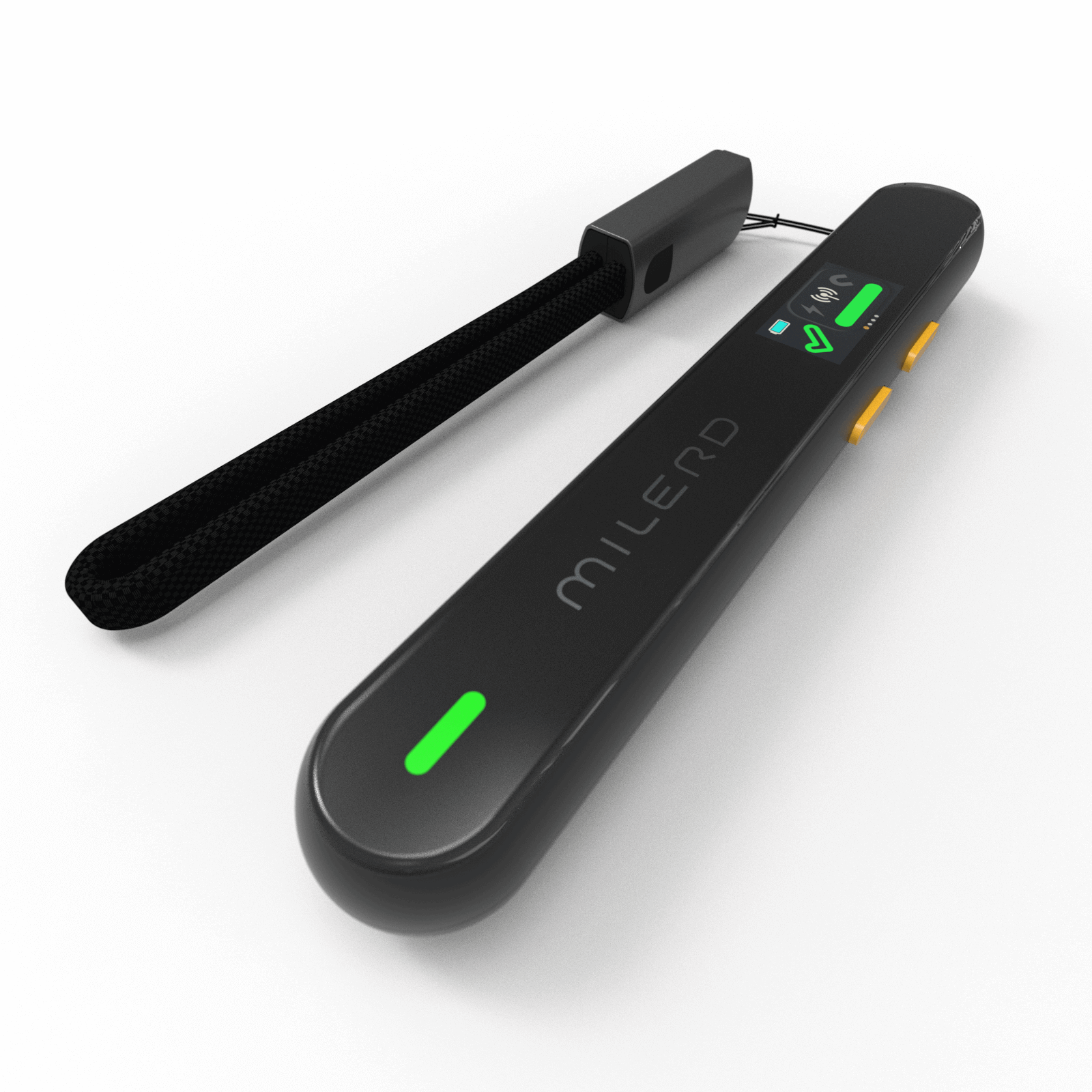
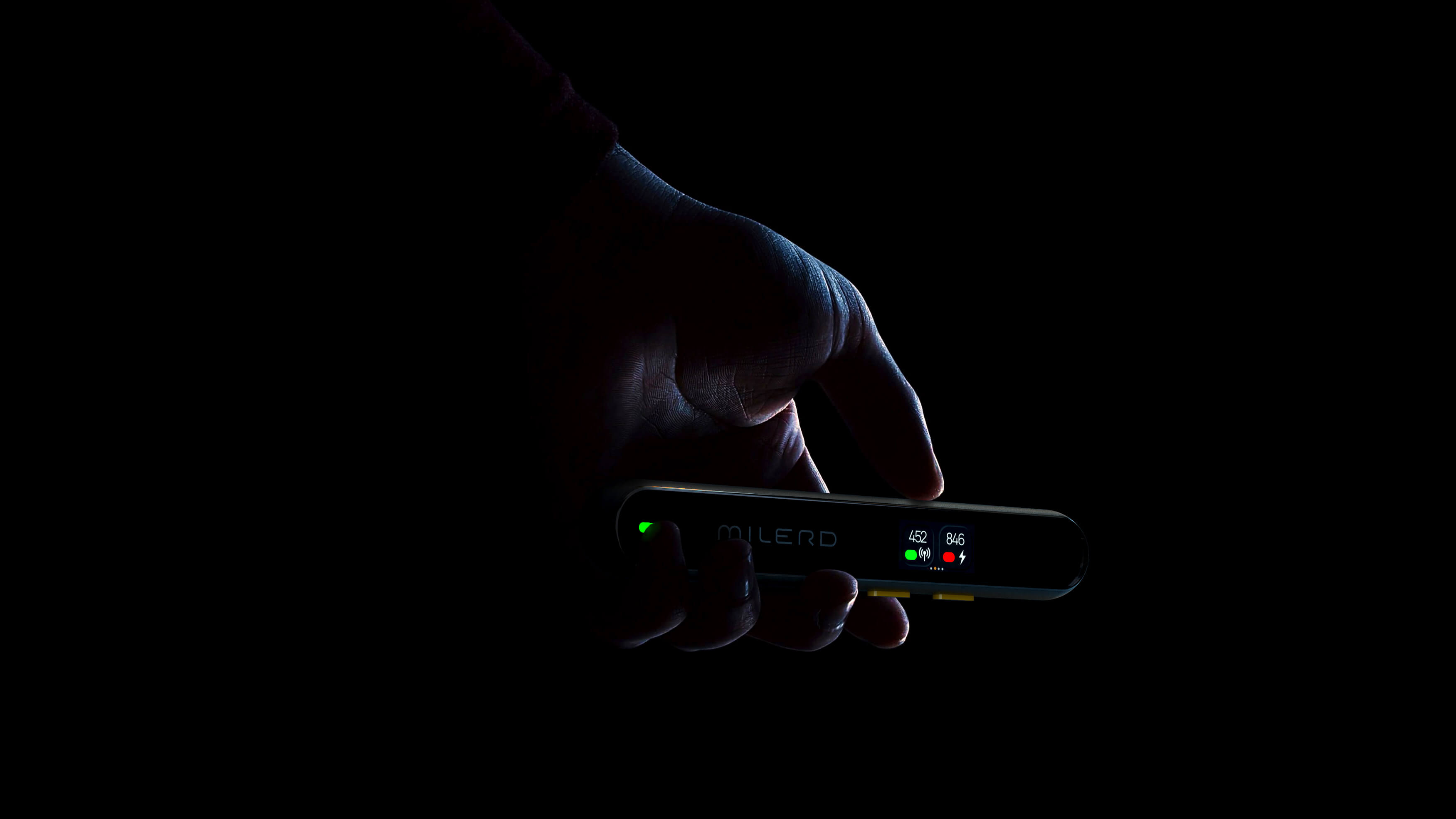
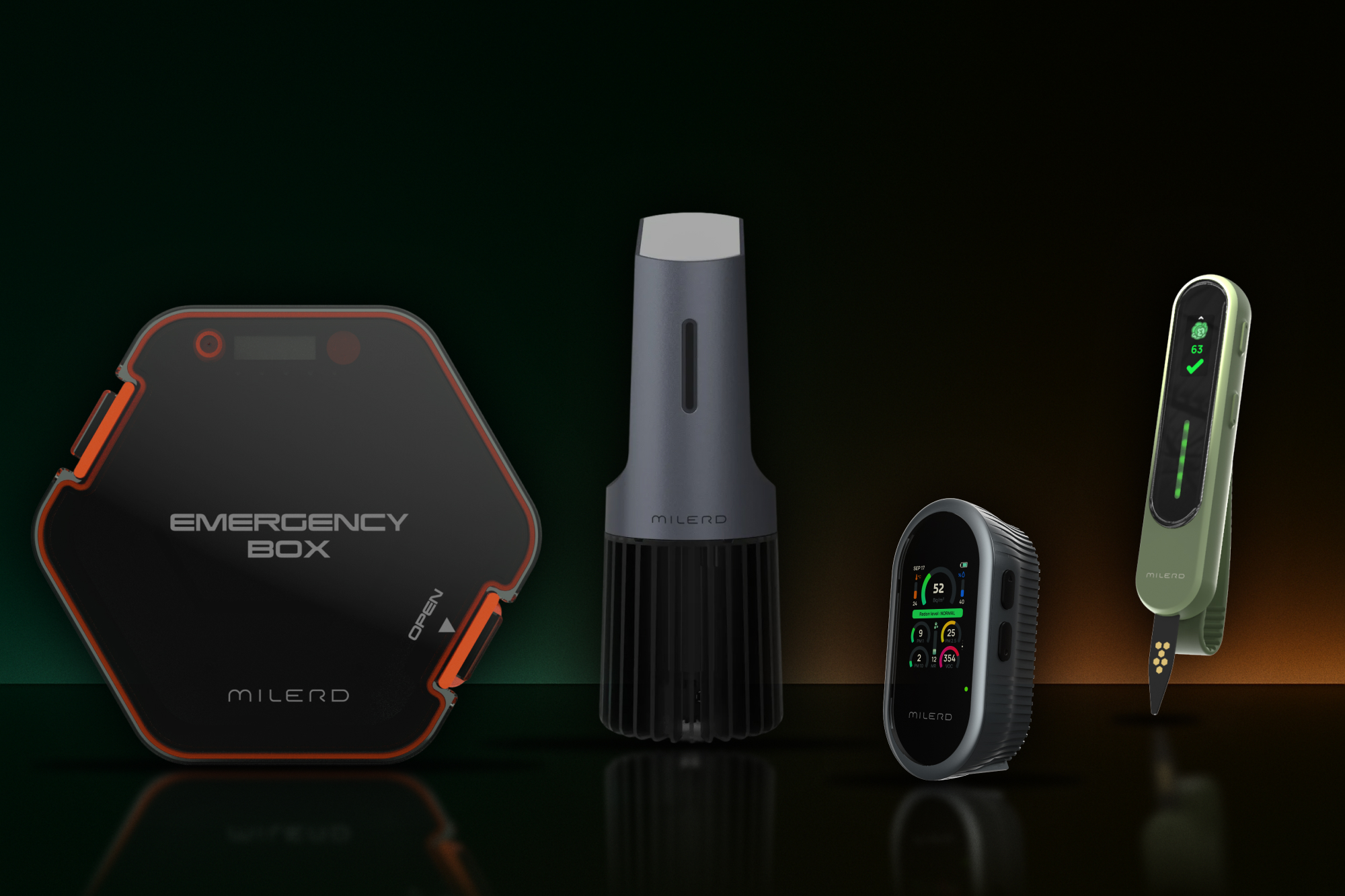
To make continuous monitoring practical, hardware must be designed with industrial integration in mind. A solution such as the Aero Q8 can host radiation sensors, log local data and transmit it to plant systems, while also supporting additional environmental channels where needed. At the same time, companies increasingly look at overall worker well-being, not only EMF. Complementary technologies like the Detoxer device for contamination and process safety help reduce other invisible burdens, such as chemical or food-related contamination in canteens, labs or support areas. Together, targeted EMF monitoring and broader contamination control create a safer and more predictable environment for people who keep automated lines running.
Once EMF has been mapped and quantified, the next question is how it aligns with occupational EMF exposure limits in industry. These limits define what is acceptable for employees during an eight-hour shift and over long careers, and they increasingly influence how robotic cells, charging zones and high-power cabinets are designed. EMF safety standards for industrial robots and related guidance documents translate abstract field strengths into concrete design criteria: where barriers are needed, which areas require restricted access and how long personnel can remain in certain zones. For companies deploying large fleets of robots across multiple sites, EMC and EMF compliance for industrial robots becomes not just a certification checkbox, but a strategic requirement for protecting brand and uptime.
Even when average levels are within limits, some groups need special consideration. Employees with pacemakers, insulin pumps or other implanted devices may react differently to magnetic fields. Defining an EMF safe distance from robotic cells gives them and their managers clear rules: which zones are unrestricted, which areas require time limits and where access should be avoided. Clear EMF zoning and signage in factories turn survey results into something everyone on the shop floor can understand at a glance. Practical instructions for operators, maintenance teams and contractors embed EMF considerations into routine tasks, while refresher workshops based on EMF and radiation safety training for factory staff keep knowledge current and connected to real events on site.
For many OEMs and plant owners, the main challenge is not identifying risks but turning requirements into reliable hardware that can be rolled out across multiple sites. Milerd R&D focuses on full-cycle development for EMF and radiation safety in robotic and automated production lines. That means covering the entire journey: concept definition, feasibility studies, sensor and electronics design, firmware, connectivity, enclosure engineering and compliance testing, all the way to scalable manufacturing.
Because these projects sit at the intersection of safety, automation and IT, the team designs monitoring hardware that matches the plant’s constraints: mounting options for robotic cells, suitable ingress protection, integration with existing fieldbuses or industrial Ethernet and appropriate cybersecurity measures for data flows into higher-level systems. Practical EMF and radiation monitoring in automated plants rarely depends on a single device, so Milerd R&D builds on modular platforms that can host multiple sensors and communication options, allowing the same hardware family to support production lines, warehouses and technical rooms.
To make expectations transparent, Milerd R&D documents its experience in industrial safety case studies with custom hardware and follows a clear sequence of end-to-end R&D stages for OEM hardware projects. For companies investing in robotic and automated lines, this structure reduces uncertainty: they know how EMF and radiation safety devices will be specified, tested and industrialized long before the first units reach the factory floor.